
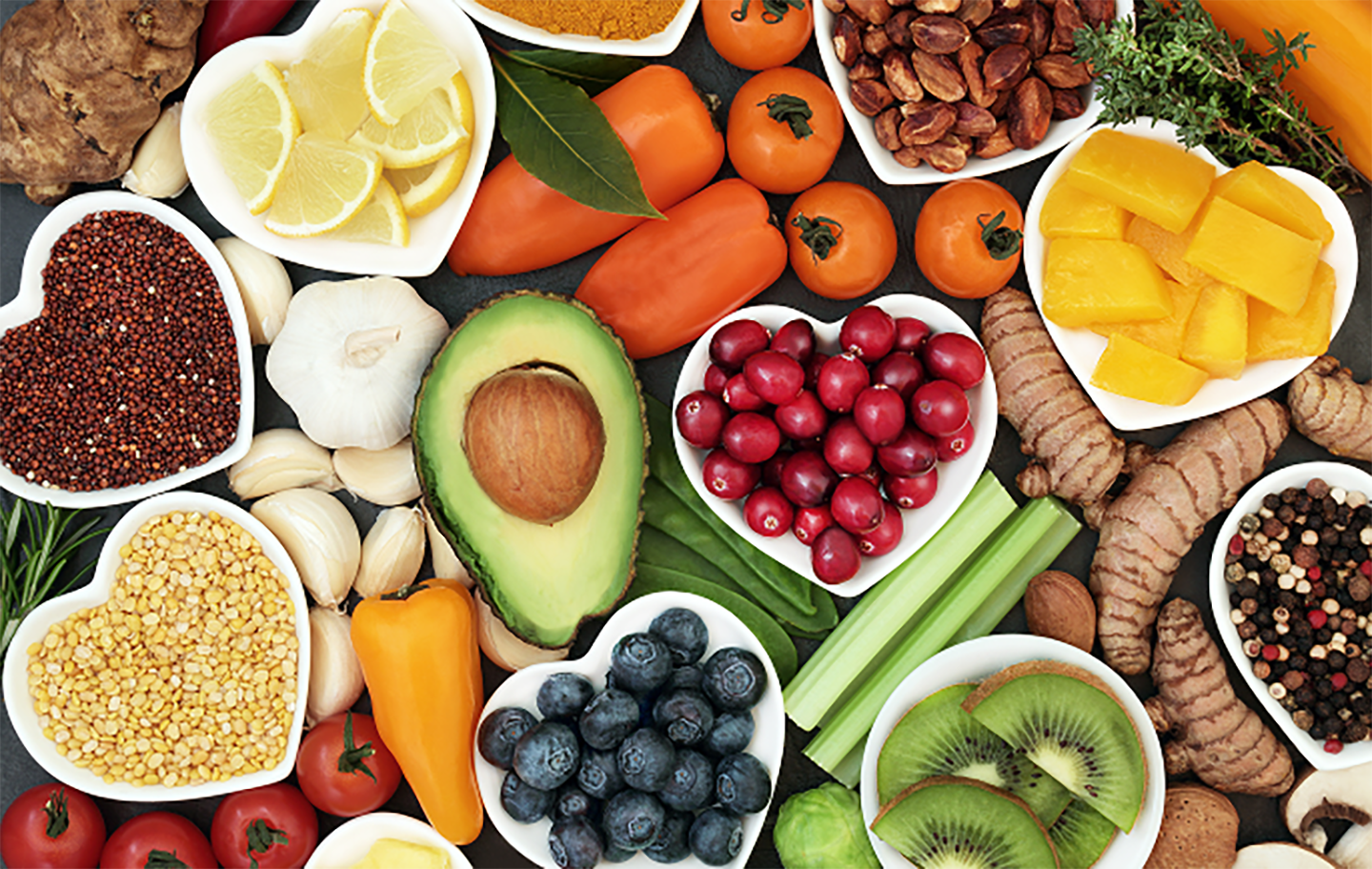
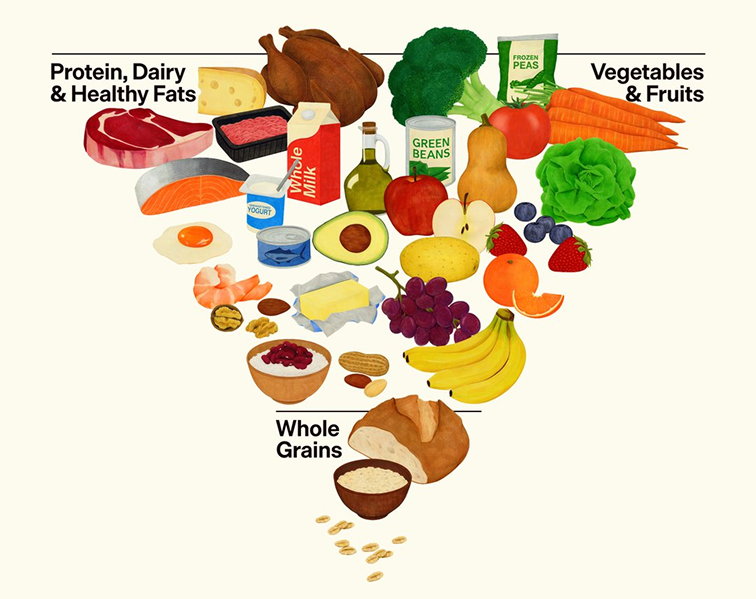
In response to evolving public health priorities related to diet driven chronic disease in America, the new inverted food pyramid graphic released as part of the new Dietary Guidelines made some noticeably bold changes. The new Dietary Guidelines released by the U.S. Department of Agriculture and Health and Human Services in January 2026, emphasize choosing nutrient‑dense, whole foods as part of a balanced eating pattern.
And for the first time, this official guidance called on Americans to limit highly processed foods, added sugars, and refined carbohydrates. The guidelines explicitly recommend avoiding sugar-sweetened beverages, such as sodas, fruit drinks, and energy drinks.
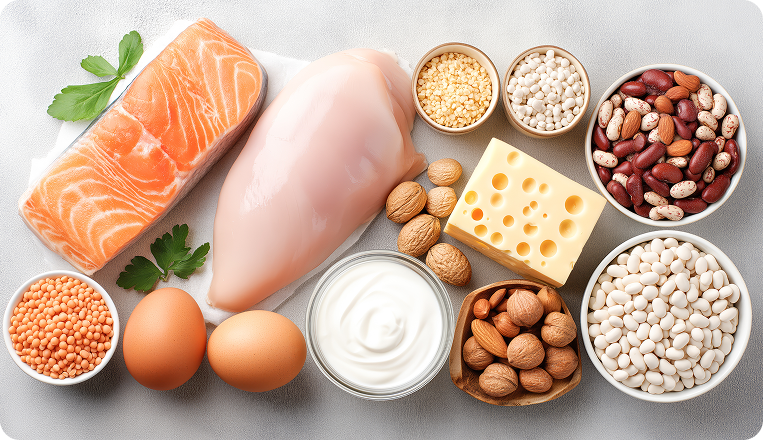
The new guidelines also highlighted protein as a nutrient to prioritize at every meal. According to the new guidelines, every meal should prioritize high-quality, nutrient-dense protein from both animal and plant sources, paired with healthy fats from whole foods such as eggs, seafood, meats, full-fat dairy, nuts, seeds, olives, and avocados.
The Five Food Groups plus healthy fats!
Including a variety of food groups in your meals can help provide a broader range of nutrients that support overall health and growth. The new Dietary Guidelines do still include the food groups you are used to seeing (Protein, Dairy, Fruits, and Vegetables), but the “grains” group is now specifically “whole grains,” and the group “healthy fats” has been added. The new Dietary Guidelines suggest choosing whole grains and varying your protein routine by including a variety of protein sources, from seafood, lean meat, poultry and eggs to beans/lentils/soy, and nuts and seeds.
The Guidelines do give recommendations for daily targets for each of the food groups based on a 2,000-calorie pattern. The daily target for fruit is 2 servings, vegetables is 3 servings, dairy is 3 servings, and 2-4 servings for whole grains. The protein recommendation suggests a higher target of 1.2-1.6 grams of protein per kilogram bodyweight (that is a minimum target of .54 grams per pound per day). To give you a frame of reference, for someone maintaining about 175 pounds, this would compute to 95 grams of protein per day. For someone maintaining about 150 pounds, this would compute to 82 grams of protein. The Dietary Guidelines Team advises that this amount may need to be adjusted based on individual caloric requirements.
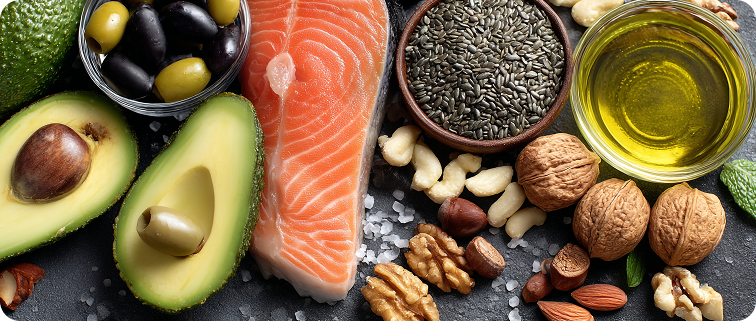
According to the new guidelines, healthy fats are plentiful in many whole foods, such as meats, poultry, eggs, omega-3–rich seafood, nuts, seeds, full-fat dairy, olives, and avocados. When cooking, the guidelines call for prioritizing oils with essential fatty acids, such as olive oil. Other options like butter and beef tallow were included in the inverted pyramid graphic. However, the guidelines retain the previous recommendation to limit saturated fat to no more than 10% of total calories The new guidelines also suggest that significantly limiting highly processed foods may help you meet this goal, while noting that more high-quality research is needed to determine which types of dietary fats best support long-term health.
Whole Grains, Whole Dairy and Alternative Sweeteners oh my!
In several ways, the new Dietary Guidelines are a big departure from the pyramid predecessor, the Food Pyramid of 1992. The tip of the new inverted pyramid (generally representing items to minimize) is filled with examples of grains (oats, bread), a food group some experts believe is overconsumed in the typical American diet. Whole grains are specifically encouraged in the new guidelines while refined grains are notably discouraged.
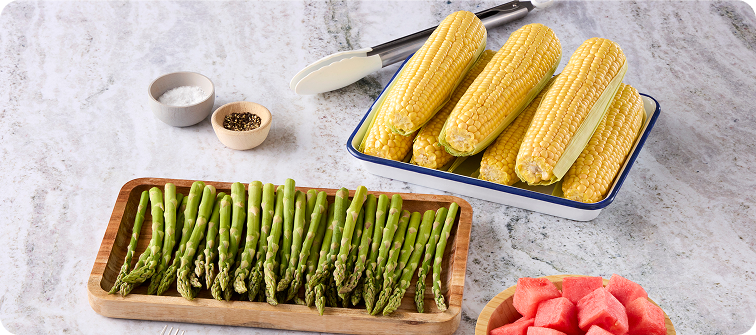
The new guidelines now specifically include full-fat dairy with no added sugars. According to the guidelines, dairy is an excellent source of protein, healthy fats, vitamins, and minerals. Previous guidelines encouraged low and nonfat dairy choices only.
Representing another first, the new guidelines call for limiting foods and beverages that include artificial flavors, petroleum-based dyes, artificial preservatives, and low-calorie non-nutritive sweeteners.
New Dietary Guidelines and Plant Food Options
While the guidelines encourage a variety of plant-sourced protein foods, including beans, peas, lentils, legumes, nuts, seeds, and about half of the inverted pyramid graphic visually features plant foods, much of the messaging and foods featured at the top left of the inverted pyramid are animal food sources for protein and fat. Lacto-ovo vegetarians may feel well represented, compared to vegans, since eggs and cheese are pictured in the new inverted pyramid!
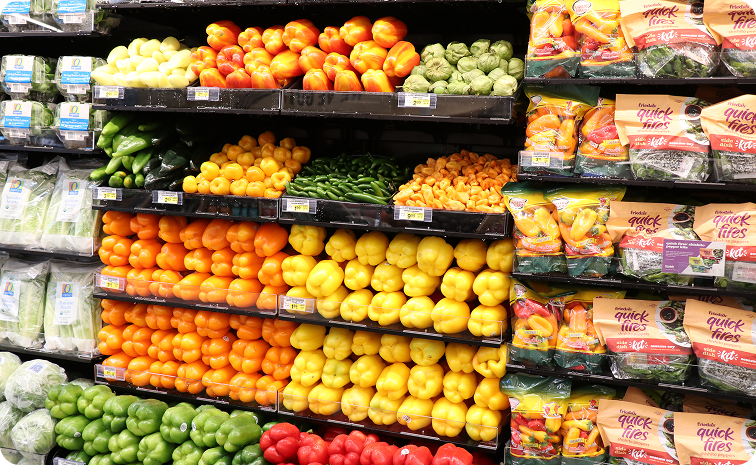
Admittedly, it can be challenging to create a visual symbol that represents all the important components of healthy eating while also reflecting the wide range of dietary and food preferences that exist today. You can find more information about foods within each food group, as well as guidance for different ages, dietary preferences (such as vegan and vegetarians) and specific conditions including pregnany and lactation , on the new dietary guideline website: https://realfood.gov.
The Sincerely Health App can help!
The Dietary Guidelines daily food group targets, which are based on a 2,000 calorie pattern, serve as a reference point for the Sincerely Health App, along with the guidance on which food choices within the food groups to prioritize or limit. What does that mean to you? The Sincerely Health App can help bring the guidelines to life by keeping your stated eating style and food preferences in mind as you use the App to shop, learn or be inspired!